If you have already done the Masai Mara, Loisaba is the smarter repeat-safari stop. It is a private conservancy in northern Laikipia, not a government-run reserve. Visitors come for low vehicle density, guided walking, horse and camel country, and one open-air night on a Star Bed. Three nights is the practical minimum: enough time for two full activity days without turning the trip into a long transfer sequence.
This Loisaba conservancy safari guide covers the essential logistics, wildlife, camps, seasons, and honest 2026 costs.
1. Where Loisaba sits and how to get there
Loisaba Conservancy is a 57,000- to 58,000-acre private wildlife area in northern Laikipia, north of Mount Kenya and near the Ewaso Ng’iro River. The practical choice is a light-aircraft flight from Nairobi’s Wilson Airport to Loisaba’s private airstrip. Driving from Nairobi takes about 6 to 8 hours, depending on road conditions.
For a 3-day stay, most groups choose the flight. The road via Nanyuki can be a pleasant overland day if you are on a longer northern Kenya route, but it burns most of a day. A scheduled light aircraft is usually easier on the schedule and kinder to the budget than a private charter.
| Route | Typical time | Best when |
|---|---|---|
| Scheduled light aircraft, Wilson Airport to Loisaba airstrip | Fly from Nairobi; plan most of the morning | The usual choice for 3 nights |
| Private charter | Shorter than scheduled; confirm with operator | Group travel or fixed arrival times |
| Road via Nanyuki | About 6 to 8 hours, depending on roads | Scenic overland, longer trips, budget planning |
Your camp or SafariPure confirms the exact flight time after booking. If you are deciding between a private conservancy and a national reserve, read about the Kenya conservancy versus national reserve difference first. Private land changes the rules for off-road driving, night drives, and walking.
2. What wildlife can you see on a Loisaba safari
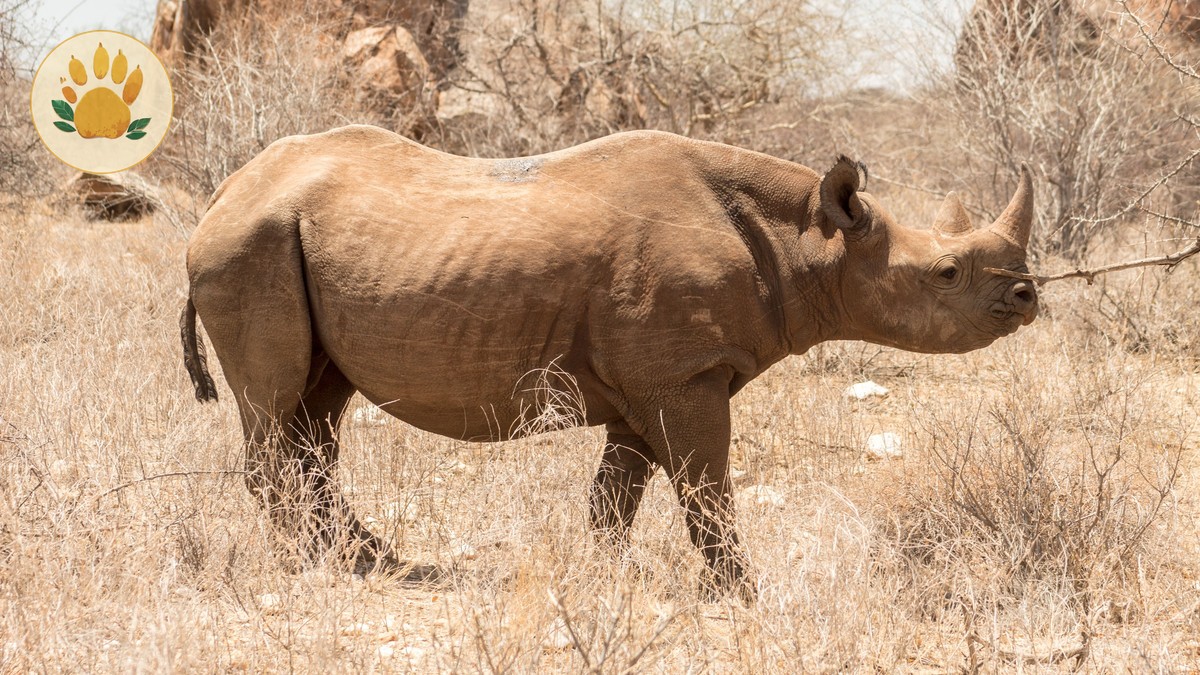
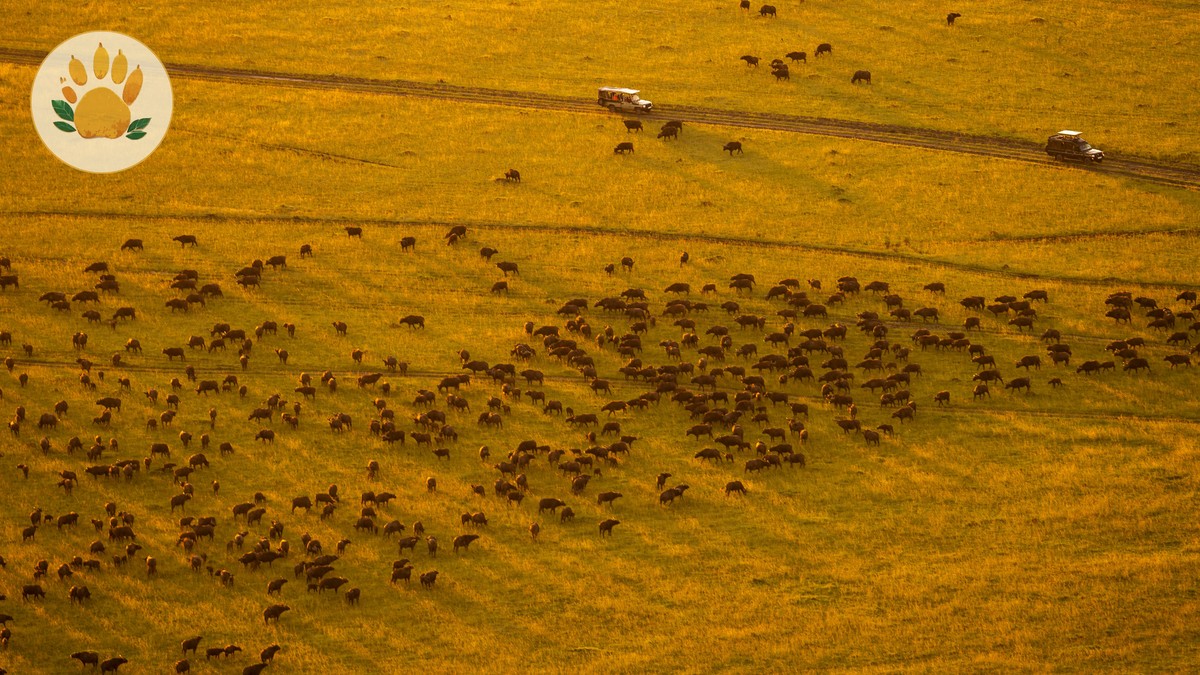
Loisaba is strongest for elephants, buffalo, giraffes, zebra, lions, leopards, cheetahs, wild dogs, and varied birdlife, with roughly 50 mammal species and more than 260 bird species reported. Sightings are rewarding but not guaranteed. Visitors choose Loisaba more for spacious, low-vehicle wildlife viewing than for dependable Big Five checklists.
Elephants use the riverine areas and can be active near camp in dry months. Wild dog sightings are special, but no guide should promise one. Birders stay busy even during a quiet game drive. The privacy of the landscape is the real feature.
3. Loisaba activities and safari experiences worth booking
A Loisaba safari can include morning, afternoon, and night game drives, guided walking, camel rides, horseback safaris, mountain biking, fishing, community visits, and overnight star-bed stays. Walking and night activities require professional guides. The conservancy setting allows flexible off-road viewing and quieter encounters than many national reserves.
A 3-night stay cannot fit everything. Pick one walking safari morning, one active afternoon on horse or camel, and one night drive. Then make the Star Bed the centerpiece of your second night. Move to it early enough to watch sunset without another vehicle nearby.
4. Where to stay: Loisaba Tented Camp, Loisaba Lodge, and Star Beds
The main Loisaba choices are Loisaba Tented Camp, Loisaba Lodge, and the mobile Star Beds experience. Tented accommodation suits guests wanting a comfortable base for drives. Star Beds are best for a memorable one-night wilderness experience. Confirm each property’s current opening dates, inclusions, transfer arrangements, and activity supplements before booking.
SafariPure often schedules two nights at Loisaba Tented Camp and one on mobile Star Beds. Loisaba Lodge makes sense if you prefer a solid building with a different view of the conservancy. Star Beds are exactly what they sound like: staff move you to a private platform with dinner, bedding, and a night attendant, then return you to camp for breakfast. Treat the Star Bed night as part of the experience, not as a cheaper alternative.
5. Best months for a Loisaba visit
June to October is easiest for general game viewing because vegetation is shorter and roads are usually firmer. January to March is also favorable, especially for birding. November and the March-to-May rains create greener scenery and fewer visitors, but can make tracks muddy. Loisaba remains a year-round destination if activities matter as much as sightings.
For repeat safari travelers, late January to early March is a strong window. You get good wildlife, moderate prices, and fewer families than in July and August. If you are combining Loisaba with Samburu or Lewa, check access roads before the long rains.
6. Loisaba Conservancy Safari Guide: What a 3-Day Trip Costs
A realistic Loisaba budget is usually premium. Plan for roughly $600 to $1,500 or more per person per night for accommodation, meals, activities, and transfers. Rates depend on camp, season, and room type. Flights, conservancy fees, private vehicles, and special experiences may cost extra, so compare complete quotations rather than nightly rates alone.
| Cost item | What to plan for |
|---|---|
| Accommodation and meals | Around $600 to $1,500+ per adult per night, double occupancy |
| Internal flights | Usually separate unless included in the quotation |
| Star Bed night | The good ones require a supplement and advance request |
| Private vehicle or special activities | Usually extra; confirm walking, riding, and night drive fees |
For a deeper look at how northern Kenya rates are built, read our guide to northern Kenya conservancy safari costs. As a rough planning check, a 3-night stay for two adults sharing often lands between $3,600 and $9,000 before flights. That range is a marker, not a quote.
A balanced 3-night shape looks like this:
- Day 1: arrive by air in the morning, settle in, afternoon game drive
- Day 2: morning walk or ride, afternoon rest, night game drive
- Day 3: early active morning, brunch, transfer out
Use the Star Bed on night 1 or 2. Weather and private camp schedules affect that decision.
7. Loisaba compared with the Mara, Lewa, and Ol Pejeta
Choose Loisaba for privacy, open landscapes, guided walks, star beds, camel or horseback activities, and conservation-focused travel. Choose the Masai Mara for more concentrated predator viewing, Lewa for a stronger rhino focus, or Ol Pejeta for accessible conservation experiences. Loisaba is a distinctive northern Kenya stay, not a universal replacement for every reserve.
| Destination | Why you go there | Main trade-off |
|---|---|---|
| Loisaba Conservancy | Privacy, walking, star beds, horse and camel routes | Premium price, less predictable big-game viewing |
| Masai Mara National Reserve | Dense predators and the wildebeest migration | High vehicle pressure in the reserve core |
| Lewa Wildlife Conservancy | Rhino conservation and open private landscape | Similar premium price to Loisaba |
| Ol Pejeta Conservancy | Rhinos, chimpanzees, accessible conservation story | Less wild feel than true wilderness |
Many repeat travelers pair Loisaba with Samburu or Lewa. Samburu adds dry-country species such as Grevy’s zebra and reticulated giraffe. Loisaba and Lewa work together because both sit in the Laikipia ecosystem. To keep the route simple, see our Kenya safari itinerary without long drives sample.
Plan your own 3-day Loisaba safari
Loisaba is not the place to save money. You pay for guided walks, fewer vehicles, and the conditions that make Star Beds safe and memorable. For a repeat Kenya visitor, that premium usually earns its keep.
SafariPure plans northern Kenya conservancy trips for people who have seen the Mara and want more from their next safari. We will pair Loisaba with Samburu, Lewa, or Ol Pejeta, confirm which costs are truly included, and book the internal flights. Send a short message through our contact page and ask for a three-night Loisaba proposal.